
diversity, equity, and inclusion
Forward Together: Diversity, equity, and inclusion
Diversity, equity, and inclusion are part of conservation. The Columbia Land Conservancy brings people together to conserve, appreciate, and enjoy land. Achieving this mission calls for all of us to work together under a shared purpose. It calls for seeking out the voices of those who have been excluded from stewarding this land we love. It calls for trying new and innovative approaches. This plan is grounded in the notion of commitment to perpetuity. Just as CLC commits to caring for land and conservation easements in the long term and modifying our approach as we learn more, we also commit to adapting to the needs of our community. This journey is an ongoing, collaborative process that will evolve over time.
This plan was originally developed in 2021. Scroll to the bottom of the page for an annual update on CLC’s efforts to implement the plan and continually learn more about how to be a more inclusive organization.
What do diversity, equity, and inclusion have to do with conservation?
CLC is proud of what our community of volunteers, donors, and supporters has achieved in nearly forty years. Together, we will continue to spark the interest of people in the environment. Keep family farmers on their land. Ensure that iconic landscapes and special places are available for future generations to enjoy. Protect the health and function of important ecosystems for wildlife habitat, climate change mitigation, and healthy drinking water.

What goals is CLC working toward?
- Strengthening our community. Just like a thriving ecosystem, conservation efforts are stronger when they are connected. CLC commits to building trust-based relationships grounded in multiple perspectives to collaboratively address issues that impact the lives and dignity of our community, including safe drinking water and local food, lack of affordable housing, and climate change.
- Providing equitable access to and meaningful connection with the land. There is no “right” way to connect with the land. CLC commits to providing broad and meaningful access to land – including Public Conservation Areas and conserved properties – for connection, recreation, cultural practices and ceremony, and income generation through farming and forestry.
- Building a healthy workplace. Change begins at home. CLC commits to building a culture where staff and board thrive, diversity is celebrated, and challenging conversations are embraced.
Which values guide decision-making?
- Including many voices and perspectives. CLC wants to hear your voice and your perspective, acknowledging that you may not have always felt welcome or included. CLC takes our role as a facilitator seriously and convenes conversations about land conservation and community needs, acknowledging the importance of challenging long-held assumptions and incorporating new perspectives.
- Learning from the past and preparing for the future. Land trusts have a responsibility to protect land forever. Part of that responsibility is considering the impact yesterday’s actions have today and today’s actions will have tomorrow. Black, Indigenous, and other Communities of Color remind us that land conservation historically involved oppression and violence. That history impacts their lives today. As a steward of the land, we commit to using conservation tools to equitably serve our community.
- Accessing land is a right everyone deserves. CLC believes you deserve the opportunity to access land in ways that are safe, welcoming, and meaningful. We commit to working together to solve problems innovatively, providing expertise and resources, and learning from others.
How has CLC been implementing this vision?
Since creating the vision in 2021, it has been incorporated into all aspects of CLC’s work, including the Strategic Plan that guides day-to-day activities. Below is a selection of achievements from 2025.
- Communications: Creating and launching GoCoCo, a website that helps park visitors find their next favorite place outdoors. The site includes numerous accessibility features and is available in English and Spanish. Incorporating data on trails and trail conditions into event descriptions so participants know what to expect when registering.
- Development: Creating guidelines for inclusivity in fundraising.
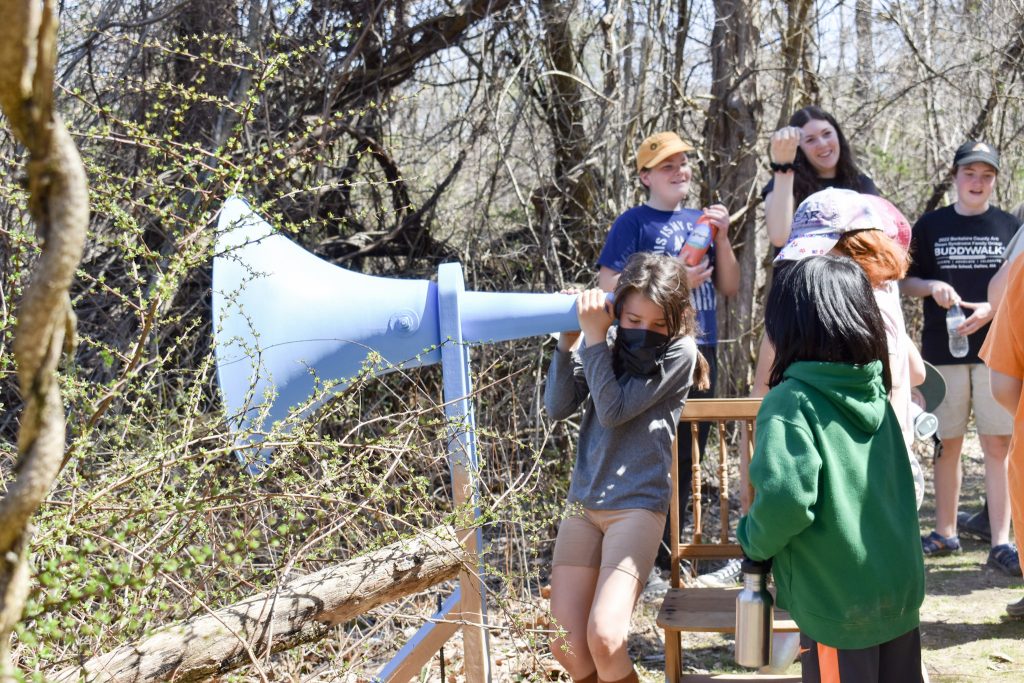
- Education: Purchasing headsets for use during programs so that everyone can hear the presenter, purchasing micro-spikes and trekking poles for use at events held during slippery and icy conditions.
- Public lands: Making sections of trail more accessible at Ooms and High Falls, installing wheelchair-accessible benches and picnic tables, finishing the Levy Lookout to make access to the falls safer and easier.
- Land Protection: Working with Spanish translation services and making more connections to improve relationships with farmers who don’t speak English.
- Operations: Welcoming people to CLC by staffing a position at the front desk and opening the door to visitors.
- Organization-wide: Participated in quarterly discussions and an annual day of service. Created Indigenous Relations Committee and meet regularly.
- Volunteering: Having a variety of options at volunteer events for people of all different abilities.